Source Bovine Hoof Trimmer for Cattle, Horse, and Sheep
Find 30 Bovine Hoof Trimmer options for cattle, horse, and sheep. Compare handheld tools with stainless steel blades and safety features from verified Chinese manufacturers.
Key considerations
Products List
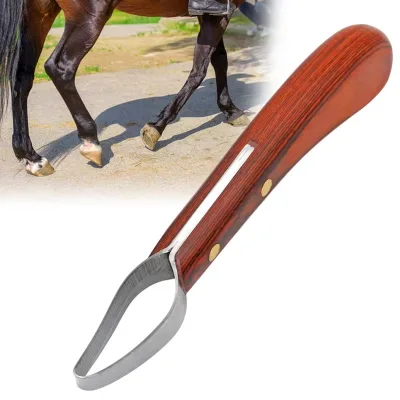
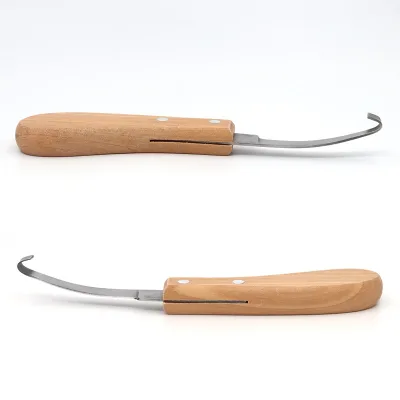

Vertical Hoof Trimmer Dairy Farm Equipment Cattle Hoof Trimming Equipment
$499.99 - $699.99
MOQ: 5 Pieces


High Quality Farm Equipment Cow Hoof Care Hoof Trimming Machine Cattle Equipment
$2538.96 - $2896.36
MOQ: 10 Sets


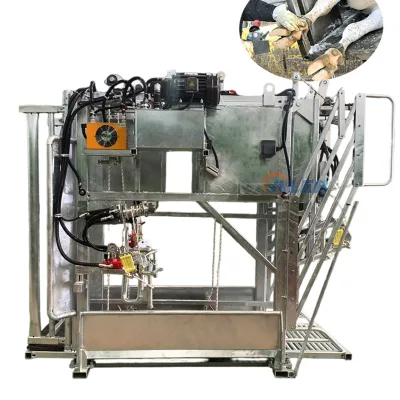
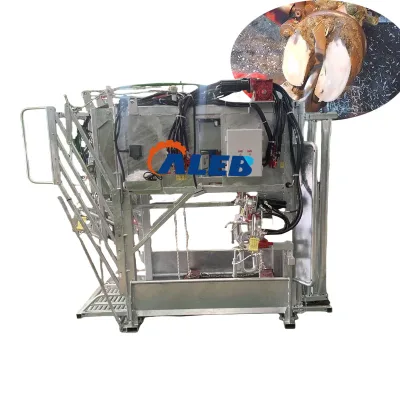
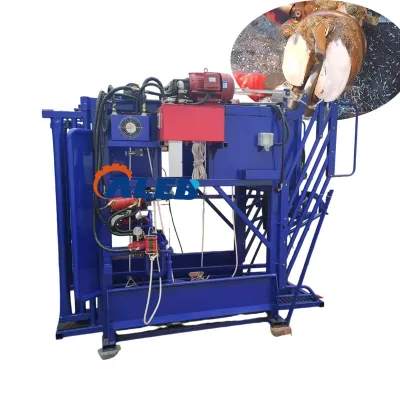
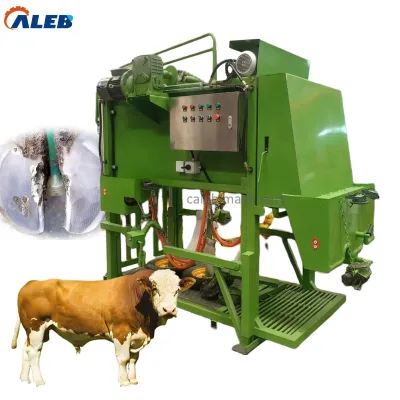
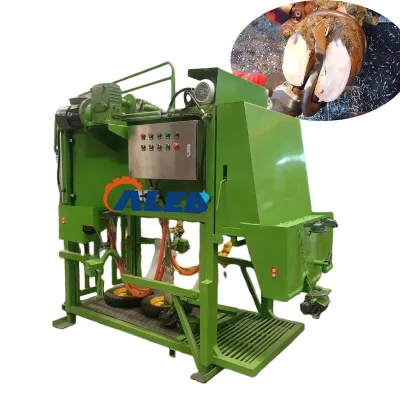
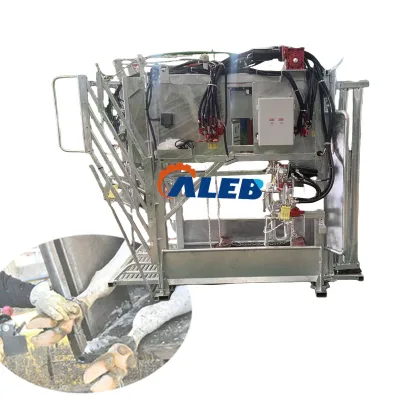
Factory Supply Hot Galvanized Epidemic Prevention Hoof Trimmer Veterinary Use OEM Logo
$11850.00 - $12030.00
MOQ: 1 sets

Hydraulic Cow Cattle Hoof Trimming Chute Hoof Repairing Machine Trimmer
$14500.00 - $15500.00
MOQ: 1 Pieces

Cattle Equipment / Cattle Hoof Trimming / Hoof-Trimming Chute Hydraulic Trimmer
$14800.00 - $15200.00
MOQ: 1 Pieces


Upgraded Hoof Trimming Blade Cow Cattle Hoof Trimming Cutter Livestock Machinery
$90.00 - $130.00
MOQ: 10 Pieces
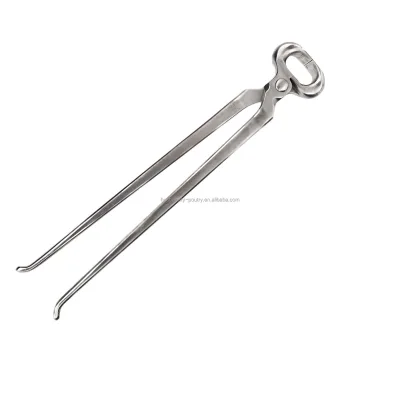
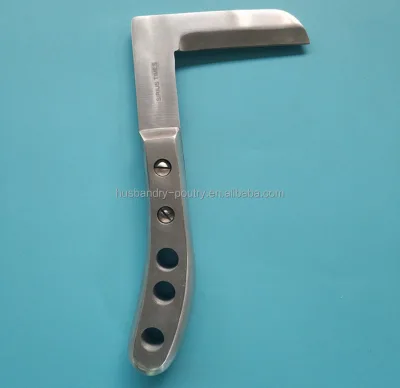


Farm Livestock Goat Hoof Trimmer Durable Animal Foot Trimming Scissors
$1400.00 - $1700.00
MOQ: 1 Pieces
Comprehensive Sourcing Guide
Bovine Hoof Trimmer Sourcing Guide
The Bovine Hoof Trimmer market encompasses a diverse range of handheld tools and specialized chutes designed for the maintenance of cattle, horses, sheep, and goats. Procurement decisions must distinguish between simple cutting instruments and comprehensive restraint systems, as the supply chain offers distinct product categories ranging from basic trimming knives to full-scale cattle hoof trimming chutes. Buyers should recognize that while some listings focus on the handheld aspect with wooden handles and stainless steel blades, others describe larger metal structures intended for farm or veterinary clinic environments. Understanding this distinction is critical before initiating a request for quotation, as the operational requirements for a single animal versus a herd differ significantly in terms of equipment complexity and safety features.
Sourcing strategies must account for the specific target species and the intended application scenario, whether it is a ranch, farm, animal hospital, or veterinary clinic. The observed product data indicates that tools are often marketed for multiple species including cattle, horses, donkeys, and goats, yet the physical design and safety mechanisms vary by application. For instance, handheld units emphasize ergonomic designs and anti-slip handles to prevent lameness and injury during manual trimming, whereas larger systems focus on safety locks and adjustable features to secure the animal. Buyers must align their procurement with the specific functional characteristics required, such as the need for a safety lock on a chute or the precision of a stainless steel blade on a handheld trimmer, to ensure the equipment effectively supports animal welfare and operational efficiency.
Product Scope and Observed Listing Signals
The product landscape for bovine hoof care tools reveals a wide spectrum of price points and minimum order quantities, reflecting the diversity from simple handheld units to complex metal structures. Observed listing signals indicate a price range spanning from approximately 1.2 to 15,500 USD, with minimum order quantities varying between 1 and 500 units. This disparity suggests that buyers are sourcing either individual handheld tools, which may have lower entry costs and flexible MOQs, or substantial infrastructure like cattle trimming chutes, which command higher prices and potentially larger order volumes. It is essential for buyers to scrutinize the specific product description to determine if the listing refers to a single item like a hoof ring trimmer or a larger assembly such as a sheep yard or grating system, as the commercial terms will differ drastically between these categories.
Material composition and surface treatment are key indicators of product durability and suitability for agricultural environments. The supply data highlights the use of materials such as low carbon steel, Q235 steel, and stainless steel, often paired with wooden handles for handheld tools. Surface treatments like hot dip galvanizing and powder coating are frequently cited to protect metal components from corrosion in wet or muddy farm conditions. Buyers should verify that the specific model they are considering matches the required material profile; for example, a handheld trimmer might prioritize a stainless steel blade for hygiene and sharpness, while a cattle chute requires galvanized steel grating for structural integrity and safety. Confirming these material attributes ensures the equipment will withstand the rigors of daily use without premature degradation.
Technical Specifications to Verify
Technical verification begins with the precise model number and physical dimensions, which define the compatibility of the tool with existing farm infrastructure or the specific needs of the operator. Listings reference various model identifiers such as xm6738, BT-W-00, and 0047, alongside specific package sizes like 20x5x5 cm for handheld units. Buyers must cross-reference these model numbers with the intended application to ensure the product is not mislabeled or mismatched to the task. For instance, a model designated for "Cattle Hoof Trimming" may refer to a chute system rather than a handheld knife, and the single gross weight of 0.18 kg suggests a lightweight handheld device, whereas larger metal structures will have significantly different weight profiles. Confirming the exact model and dimensions prevents the procurement of equipment that is either too small for the intended animal or too cumbersome for the operator.
Functional characteristics and safety features are paramount when evaluating the technical specifications of bovine hoof trimming equipment. The observed data points to critical features such as safety locks, anti-slip handles, and ergonomic designs, which are essential for preventing injury to both the animal and the handler. Additionally, the presence of adjustable components and specific hole shapes, such as square holes in grating, indicates the need for customization to fit different animal sizes or farm layouts. Buyers should verify that the product includes these safety mechanisms and that the adjustable features function reliably under load. For handheld tools, the focus should be on the blade material and handle ergonomics, while for larger systems, the verification should center on the structural stability of the galvanized steel frame and the effectiveness of the safety locking mechanisms.
Compliance and Safety Documentation
Compliance verification requires a thorough review of certification status and adherence to recognized safety standards, as these documents validate the product's suitability for professional use. The supply data indicates that certain products carry CE and ISO9001 certifications, which are critical for demonstrating that the manufacturing process meets international quality and safety benchmarks. Buyers must request and verify these certificates for the specific model they intend to purchase, as certification status can vary between different product lines or suppliers. It is important to note that while some listings mention certifications, the absence of a specific certificate in a product description does not automatically disqualify a product, but it necessitates a direct inquiry to the supplier to confirm compliance before finalizing the order.
Safety documentation extends beyond certifications to include detailed information on the product's functional safety features and intended use scenarios. The observed attributes highlight the importance of safety locks, anti-slip handles, and ergonomic designs in preventing accidents during hoof trimming procedures. Buyers should ensure that the product documentation clearly outlines how these features mitigate risks such as animal injury or handler fatigue. Furthermore, the application scenarios listed, such as ranches, farms, and veterinary clinics, imply that the equipment must meet specific safety requirements for those environments. Procurement teams should verify that the product is explicitly designed for the intended setting and that the safety features are robust enough to handle the dynamic conditions of a working farm or clinic.
Cost Drivers and Commercial Terms
Cost drivers in the Bovine Hoof Trimmer market are heavily influenced by material quality, manufacturing complexity, and the scale of the order. The wide price range observed, from low-cost handheld tools to high-value chutes, reflects the significant difference in material costs between simple stainless steel blades and complex galvanized steel structures. Buyers should analyze the cost per unit in the context of the material specifications, such as the use of Q235 steel or low carbon steel, and the surface treatments applied, like hot dip galvanizing. Understanding these cost drivers allows buyers to negotiate more effectively and identify where value is added through superior materials or advanced manufacturing processes, rather than simply comparing base prices across different product types.
Commercial terms, including minimum order quantities and customization options, play a crucial role in the total cost of ownership and supply chain flexibility. The observed MOQ range of 1 to 500 units suggests that buyers can source small quantities for immediate needs or larger batches for inventory stocking, depending on their operational scale. Additionally, the availability of customization, such as custom-made sizes or specific standard requirements, offers a pathway to tailor the product to unique farm layouts or animal breeds. Buyers should clarify the lead times and pricing implications associated with customization, as bespoke orders may incur higher costs or longer delivery windows. Negotiating favorable terms around these variables can significantly impact the overall budget and the agility of the procurement process.
Supplier Qualification and Quality Control
Supplier qualification should be grounded in the verification of their production capabilities and adherence to the stated standards and certifications. The supply data indicates that products originate from specific regions in China, such as Henan, Hebei, and Anping, which are known for their manufacturing expertise in agricultural tools and metal structures. Buyers should assess the supplier's ability to meet the specific model requirements and certification standards, such as CE and ISO9001, by requesting evidence of their quality control processes. It is essential to confirm that the supplier has a track record of producing equipment that meets the safety and durability expectations outlined in the product specifications, ensuring that the final product aligns with the buyer's operational needs.
Quality control measures must be rigorously applied to ensure that the delivered products match the described specifications and functional characteristics. Buyers should implement a verification process that includes checking the material composition, surface treatments, and assembly quality of the received goods. For instance, verifying that the galvanized coating is uniform and that the safety locks function correctly can prevent costly failures in the field. Additionally, buyers should consider requesting pre-shipment inspections or sample testing to validate the product's performance before committing to a large order. Establishing a clear quality control protocol with the supplier helps mitigate risks associated with product defects and ensures that the equipment performs reliably in demanding agricultural environments.
Long-Term Procurement Checks
Long-term procurement success depends on establishing a reliable supply chain that can consistently deliver high-quality bovine hoof trimmers and related equipment. Buyers should prioritize suppliers who demonstrate a commitment to continuous improvement and adherence to evolving safety standards, ensuring that the products remain relevant and effective over time. Regular audits of the supplier's production processes and quality control measures can help maintain high standards and identify potential issues before they impact the supply chain. By fostering a collaborative relationship with suppliers, buyers can ensure a steady flow of equipment that meets their operational needs and supports the long-term health and safety of their livestock.
Continuous monitoring of product performance and market trends is essential for adapting procurement strategies to changing agricultural demands. Buyers should track the performance of the equipment in the field, noting any issues related to durability, safety, or usability, and use this feedback to inform future purchasing decisions. Additionally, staying informed about new technologies and materials in the bovine hoof trimming sector can help buyers identify opportunities to upgrade their equipment and improve operational efficiency. By maintaining a proactive approach to procurement, buyers can ensure that their farm or veterinary clinic remains equipped with the best tools available, supporting the well-being of their animals and the sustainability of their operations.
FAQs
What materials are used in Bovine Hoof Trimmer construction?
The Bovine Hoof Trimmer typically features a wooden handle combined with a stainless steel blade for durability and hygiene. Some models utilize metal construction with galvanized or powder-coated surfaces to resist corrosion. The specific material composition ensures the tool remains robust during repetitive cutting tasks while maintaining a comfortable grip for the operator.
Which animals can this hoof trimmer safely handle?
This handheld tool is designed for multiple target species including cattle, horses, sheep, and goats. It serves as a versatile instrument for hoof repair and trimming across different livestock types. The ergonomic design allows for precise cutting, helping to prevent lameness and injury in various farm animals requiring regular hoof maintenance.
Can I customize the specifications of the hoof trimmer?
Yes, customization is available for specific production needs. Buyers can request custom sizes or modified features to suit particular operational requirements. The manufacturer supports tailored solutions, ensuring the equipment aligns with specific farm or veterinary clinic standards. This flexibility allows for optimized performance in diverse agricultural environments.
What certifications do these hoof trimming tools hold?
The products generally carry CE and ISO9001 certifications, indicating compliance with international quality and safety standards. These credentials assure buyers of the manufacturing quality and regulatory adherence. The certification process ensures that the tools meet necessary safety protocols for use in professional agricultural and veterinary settings.
What is the typical MOQ for ordering these trimmers?
The minimum order quantity is typically set at 10 pieces for standard orders. This threshold allows for manageable initial procurement while ensuring cost-effective production runs. Buyers should verify specific MOQ requirements with suppliers, as bulk orders may offer different terms or pricing structures based on volume.
Where are these bovine hoof trimmers manufactured?
These tools are primarily manufactured in China, with specific origins noted in Henan and Hebei provinces. The production facilities are located in industrial hubs known for agricultural equipment. This geographic concentration supports efficient supply chains and consistent quality control for exported agricultural machinery and tools.